Flow Tools for Beginners – Best Starter Props, LED & Fiber Kits
 5 min read
We are Ants on a Melon, and we make the RGB Critter BT, the BitWhip, and a pile of other glowing things. When you are brand new to flow arts, the hardest part is not learning the moves; it is choosing your first prop. This guide walks through the beginner flow props one by one, what each is like to learn, and how to get started, so you pick the right tool the first time instead of guessing.

Start With the Light, Not the Prop
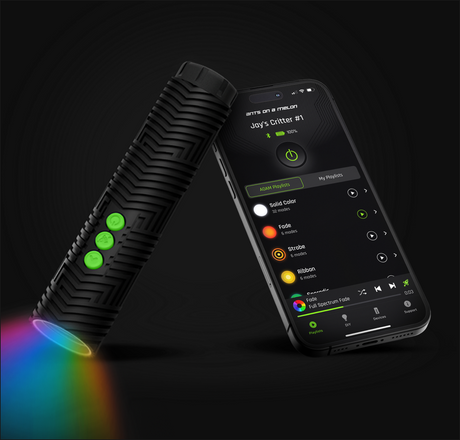
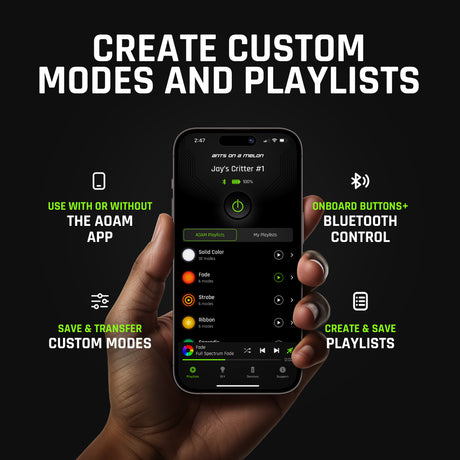
If you only buy one thing, make it the RGB Critter BT. It is an app-controlled, color-changing 170-lumen flashlight you can hold for light painting, clip to a string for glowing orbs, or twist into blades, tubes, sabers, and staffs later. The app gives you 16 million colors, 145+ modes, and unlimited custom playlists (the light also works fine without the app), and the same removable core powers 200+ twist-on tools. Your first purchase becomes the heart of every setup you build later, so you never outgrow it.
The Beginner Flow Props, One by One
Every prop type has its own movement style and its own learning curve. Here is the honest rundown.
The RGB Critter BT itself: the easiest place to start
Before it is a whip handle or a saber core, the RGB Critter BT is the easiest flow tool there is: hold it, move it, and a camera on a tripod turns your motion into glowing photos. It is the platform every other tool on this page builds on, which is exactly why we recommend it first.
Fiber optic whip: dramatic results, fast
A fiber optic whip like our BitWhip creates flowing, sweeping trails of glowing light. It is easy to moderate to learn because the motion is forgiving: smooth figure-eights look spectacular long before you have any real technique. If you are weighing whip options, read our honest best fiber optic whips comparison — we include competitors and say where they win.
LED sabers: spins and contact flow
An LED saber kit like the Sol Saber gives you a rigid light for spinning and contact moves. Difficulty is moderate: your first spins come quickly, and the same saber works great for stage practice and on camera for light painting.
LED staff: the two-handed step up
An LED Staff Kit is a two-handed pole for bigger, sweeping trails. It is a natural next step once basic spins feel comfortable rather than a first prop for most people, so file it under "soon" if you are starting from zero.
Double-sided props: symmetry for both hands
Two lights joined together — with a Critter Connector or the Double BitWhip — teach balance and coordination with symmetrical, dual-hand flow. The Double BitWhip pairs two synchronized whips, which is as dramatic as beginner-accessible flow gets.

How to Start Flow Arts as a Beginner
- Pick one prop and one color. Master basic motion before adding any complexity.
- Learn the foundation move for your prop: a steady spin for a staff or saber, smooth figure-eights for a whip.
- Practice short, regular sessions. Muscle memory builds faster from ten focused minutes a day than from one long session a week.
- Add light painting. A phone or camera on a tripod turns practice into glowing photos. See our seven light painting techniques for the setup and the first tricks to try.
Safety: practice in an open space clear of people and ceilings. A real advantage of LED flow tools is that they give you flame-like visuals with none of the fire risk, so you can learn indoors and around others.

Who Flow Tools Are For
Flow arts suit a wide range of ages and goals. Adults use beginner LED flow props for movement practice, mindfulness, or stage work, while performers and photographers use the same tools for shows and light painting. Our tools are machined from durable aluminum and are best suited to teens and adults; younger children can enjoy them with adult supervision, but these are precision instruments rather than soft toys.

Start Small, Grow Without Rebuying
The reason we point beginners to the RGB Critter BT first is that its threaded lens accepts more than 200 twist-on accessories. Start with the bare light, then add blades, tubes and sabers, or staff hardware as your skills grow. You expand your kit one affordable accessory at a time instead of buying a whole new prop every time you level up.

Gear you'll want
Your first light, and the core of everything after it
Flowing, sweeping trails
Comparing brands? Our whip comparison covers the competition honestly.
Symmetrical, two-handed flow
Double BitWhip or a Critter Connector build
A complete, compatible kit in one go
Watch the total as you pick, or browse the flow kits collection.

Flow tools for beginners FAQ
What are flow tools for beginners?
LED or fiber optic props used to learn movement, rhythm, and visual flow arts: whips, sabers, staffs, and double-sided props.
What is the best flow tool for a beginner?
For most people the RGB Critter BT, because it is versatile and grows into everything else. If you specifically want flowing whip motion, start with the BitWhip, and compare options in our best fiber optic whips guide.
Can kids use beginner flow tools?
With adult supervision, yes. Our tools are durable aluminum and LED based with no flame, but they are precision props rather than soft toys, so they suit older kids, teens, and adults best.
How do I learn flow arts?
Pick one prop, master a single foundation move, and practice in short regular sessions. Pair it with our seven light painting techniques to start capturing your progress on camera.
Where can I buy beginner flow props?
Directly from Ants on a Melon. Start with the RGB Critter BT or the flow kits collection, designed in Oregon, USA.
You might also find these guides useful: